


Glasses prescriptions come with a shelf life, and it’s usually shorter than people expect. Plenty of us keep reaching for the same pair of glasses long after the paperwork ran out, mostly because nothing feels dramatically different from one day to the next.
Look at the top of your last prescription, and you’ll find the date your optometrist signed it. Most glasses prescriptions stay valid for 1 to 2 years from that exam. Contact lens prescriptions usually run shorter, often 1 year, because those lenses rest directly on the surface of your eye.
Reasons Your Prescription Has an Expiration Date
Your prescription captures one moment in your visual health. State boards cap how long it stays good so nobody ends up wearing lenses ground for eyes they had 5 years ago.
There’s a practical side to it as well. Once the date passes, optical shops and online retailers can’t fill the order, which leaves you stuck the day a lens cracks.
One more thing worth knowing: a glasses prescription won’t work for ordering contacts. Contacts need their own fitting, since the lens curve has to match the curve of your eye.
Your Eyes Change Quietly
Vision rarely changes overnight. The lens inside your eye stiffens gradually with age, which is why so many people hit their 40s and start holding a phone farther away to read a text.
Kids’ vision changes quicker. A child’s eyes can change a lot in under a year during a growth spurt, so annual exams keep their glasses matched to what they need to succeed in school and beyond
Health changes elsewhere in your body play a role too. Diabetes, thyroid conditions, and some medications all influence how your eyes focus.
An optometrist can track these tiny changes over time. Regular visits help update your lenses, so you can always see clearly.
Regular Updates Help Prevent Hidden Vision Problems
Several eye diseases progress in their early stages with no pain and no obvious symptoms. That’s a big part of why your prescription timeline exists.
Glaucoma can damage the optic nerve well before you notice anything missing from your side vision. Macular degeneration follows a similar pattern, thinning central vision over the course of years.
An optometrist can identify early signs of both during a routine visit. Finding them sooner opens up more options for managing them.
Signs You Need a Visit to Your Optometrist
Your body often hints that your lenses have fallen behind. Watch for these everyday clues:
- Headaches that build while you read or settle in for computer work
- Road signs that look soft or doubled until you’re nearly on top of them
- Squinting to make small text resolve
- Tired, sore eyes by mid-afternoon
- You’re holding menus and books farther from your face than you used to
Any one of these is worth mentioning at your next visit.
The Risks of Wearing Outdated Glasses
An outdated prescription makes your eye muscles work overtime to pull images into focus, and that effort adds up over a day.
You might feel it as neck tension, mild queasiness, or a low-grade headache that never quite goes away. Some people blame stress or a rough night’s sleep when the real culprit is sitting on their nose.
Safety deserves a mention here. Night driving gets harder when streetlights smear across the windshield, and signs stay fuzzy until you’ve almost passed them. Simple daily tasks can become hazards when your sight isn’t clear.
What Happens at an Eye Exam
Supporting your clear vision can be simple. Schedule regular eye exams to stay ahead of changes.
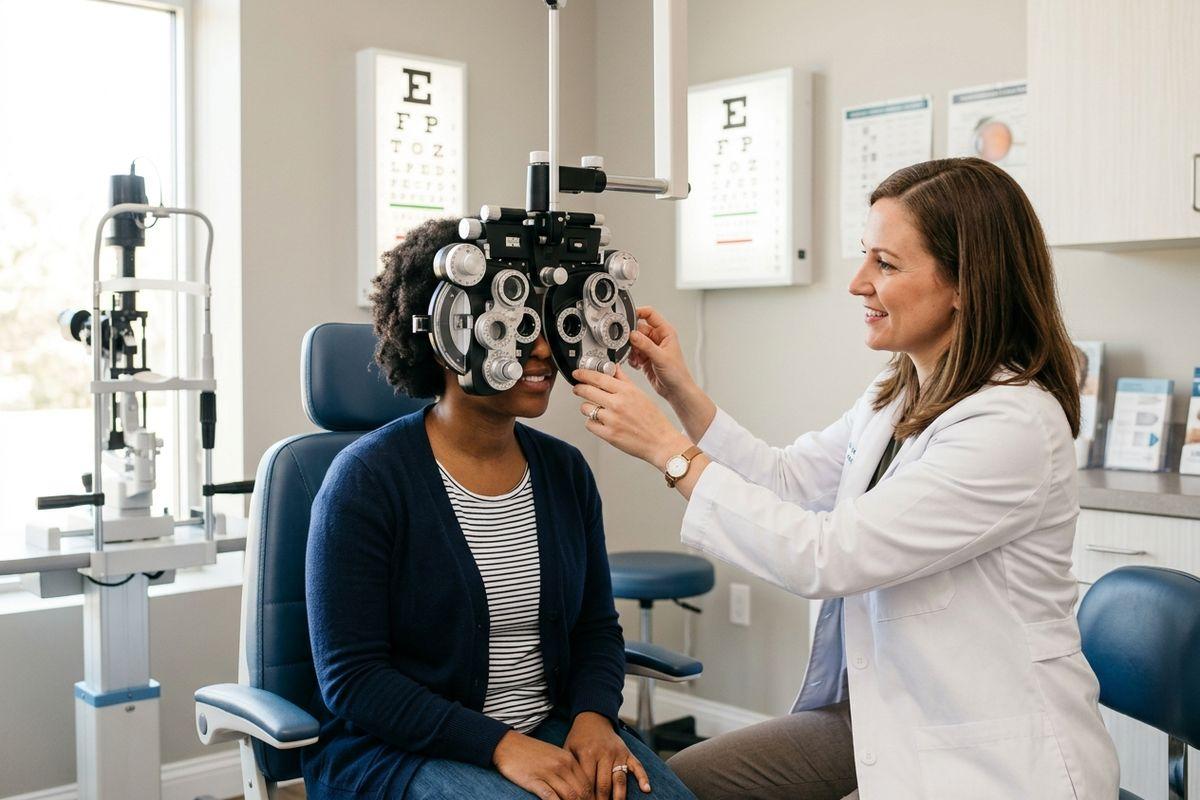
Your optometrist will measure how your eyes focus and compare the results against the prescription you’ve been wearing. Imaging and a pressure test round out the visit, and it usually wraps up in about an hour.
Bring your current glasses and a list of your medications. Talk about how you actually use your eyes, whether that’s 8 hours at a monitor or long stretches behind the wheel.
After the exam, you can choose new frames that fit your style and daily activities. The team can guide you to options that fit your face and your budget.
Ask about lens options while you’re there. Anti-reflective coatings cut glare from headlights and screens, and progressives handle both distance and reading in a single lens if you’ve been juggling 2 pairs.
Ready for a Clearer Look at Things?
An expired prescription is a simple fix, and it starts with one appointment.
Bring your current glasses along with any questions about what you’ve been noticing lately. The team at Valley Eye and Vision Clinic will walk you through the exam and explain your results without burying you in jargon.
Families are welcome, so you can get everyone seen in the same afternoon. Book an appointment and see what you’ve been missing.