

When you look at your prescription, you’ll see a row of numbers, letters, and abbreviations. These tell the lab exactly how to shape your lenses so they can correct your eyesight and help you see clearly. If you want to make the switch to contact lenses, you might think you can order a new box using those very same numbers.
Contact lens prescriptions and glasses prescriptions are entirely different documents. Since glasses sit slightly away from your face and contacts sit directly on your eyes, they require completely separate measurements to give you clear vision.
Why Glasses and Contact Prescriptions Differ
Clear vision is all about bending and focusing light. Blurry vision happens when your eye can’t properly focus light onto the retina at the back of the eye. The lenses in your frames help bend the light to correct your vision. However, your frames sit roughly 12 millimeters away from your eyes. This small gap affects how much adjustment your lenses need to make.
On the other hand, contact lenses sit directly on your eye’s surface. This closeness changes the amount of power needed for clear vision. A number that works well in a pair of glasses can leave things looking fuzzy when placed directly on your eye.
Details Found on Your Glasses Prescription
A prescription for glasses includes specific abbreviations and numbers to detail your exact visual needs. Look out for these common terms on your document:
- OD and OS: These letters tell the lab which lens goes on which side of your face, separating the measurements for your right and left eyes.
- Sphere: This number shows the main power required to correct your vision. A negative number helps you see things far away, while a positive number helps you read small print.
- Cylinder: These specific numbers correct the shape of an astigmatism. This extra detail sharpens blurry edges so you can read clearly.
Extra Requirements for Contact Lenses
Eyes come in many different shapes and sizes, from adults down to growing kids. This means choosing your contact lenses comes with a few extra requirements, such as:
- Base curve (BC): A base curve measurement matches the specific curve of your eyes so the contact lies comfortably over your unique eye shape.
- Diameter (DIA): This measures the total width of your contact. A proper width helps the contact fit correctly without sliding around when you blink. Getting these exact measurements helps keep the tiny piece of plastic sitting comfortably all day long.
- Brand and material: Different lens materials allow oxygen to reach your eyes, helping them stay comfortable and healthy throughout the day. Your optometrist chooses a specific brand tailored for your daily comfort, and your prescription lists this exact brand because switching to a random box can easily irritate your eyes.
- Expiration date: Contact lens prescriptions usually expire after 1 year because your needs can change quickly. Schedule an annual exam so we can help keep your eyes healthy.
How to Transition from Glasses to Contacts
You can’t use math formulas alone to convert one prescription to another. A simple calculation ignores the physical shape of your eye. Guessing the numbers can lead to a headache and strained vision.
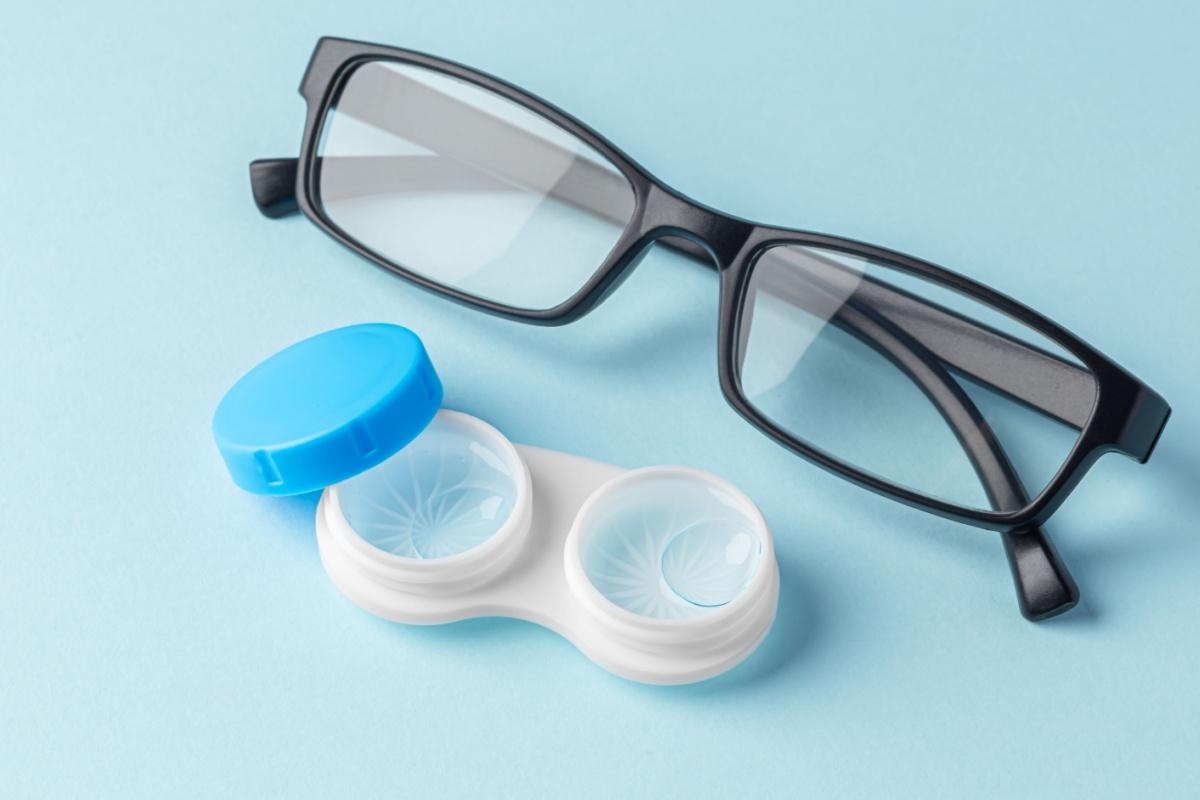
Your eyes need fresh measurements, and the best way to get that done is during a comprehensive contact lens fitting. Your optometrist tests your vision specifically for each option. The team examines how your eyes produce tears and measures the exact curvature of your eye’s front surface to provide a proper fit.
This careful process helps find a comfortable fit from the very beginning. A quick visit helps you safely switch from frames to small lenses.
What Happens at a Contact Lens Exam
Your eyes change slowly over time. You might notice small hints that your current lenses no longer do their job. These changes can make reading or driving difficult.
Look for a few common signs to know when to visit an optometrist:
- Blurry vision happens when things look fuzzy with your current glasses.
- Frequent headaches occur after reading or computer work.
- Sore eyes, feeling dry or tired by the evening.
Optometrists use special tools to measure the front surface of your eyes. This can include using corneal topography to give your optometrist a map of your eye shape.
You can then try on a trial pair to check the comfort. The optometrist checks how the lenses move on your eyes when you blink. This is important because proper movement allows fresh tears to wash under the lens, helping keep your eye healthy.
Ready to See Clearly with New Contacts?
Taking care of your eyes helps you enjoy everything from reading and driving to family time. Valley Eye & Vision Clinic can help you find the right fit for your lifestyle. Our team provides reliable eye care to families in Moses Lake and the surrounding areas. Reach out to schedule a visit with one of our optometrists today.