

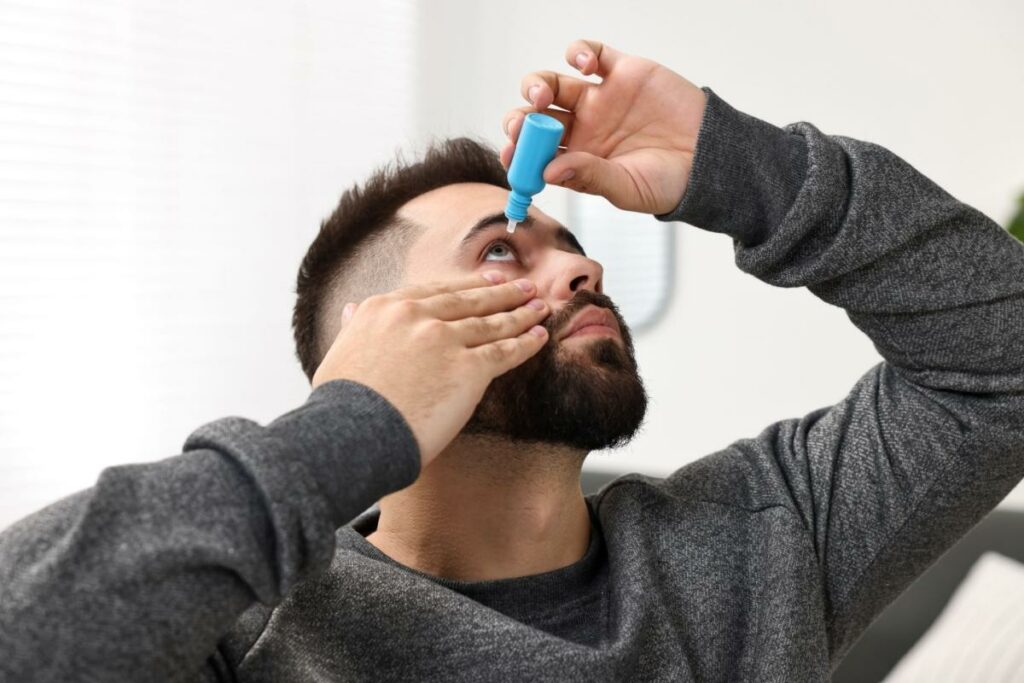
You may notice a scratchy feeling when you blink after looking at a computer screen all afternoon. Our team at Valley Eye and Vision Clinic knows this uncomfortable sensation often happens because your tears lack the right balance of oil and water. Over time, this irritation can worsen and affect how clearly you see the world around you.
The right eye drops for you depend on your specific symptoms, but many people find relief using preservative-free artificial tears or drops designed to add oil back into the tear film. Finding the proper product for dry eye therapy can help your eyes feel comfortable again. A simple routine can make a big difference in your daily comfort.
Reasons and Signs of Dry Eye
Common Signs to Watch For
Sometimes your eyes let you know right away when they need more moisture. You might feel a constant irritation that makes it hard to focus on your daily tasks, especially if you experience digital eye strain. This discomfort can sneak up on you during an otherwise normal day. Watch for a few common signs, including:
- Eyes that feel gritty or scratchy
- Redness or a stinging sensation
- Watery eyes or blurred vision
Reasons Your Tears Change
Your tear film can change for a variety of reasons throughout your life. Older age often slows down natural tear production and changes the quality of your tears. This happens because the glands along your eyelids become less active over time.
Windy or smoky environments can also dry out your eyes much faster than normal. A quick walk on a breezy afternoon can leave your eyes feeling completely parched. Certain daily medications can also affect how much moisture your eyes create.
Types of Artificial Tears Available
Drops with Preservatives
These are your “standard” eye drops, usually found in multi-use bottles. They include additives designed to prevent bacterial growth once the seal is broken, making them convenient for long-term storage on your nightstand.
- Best for: Individuals with mild or occasional dryness.
- The catch: The preservatives that keep the bottle clean can actually irritate the ocular surface if used too frequently.
- Usage tip: Limit application to 4 times a day or fewer to avoid further irritation.
Preservative Free Options
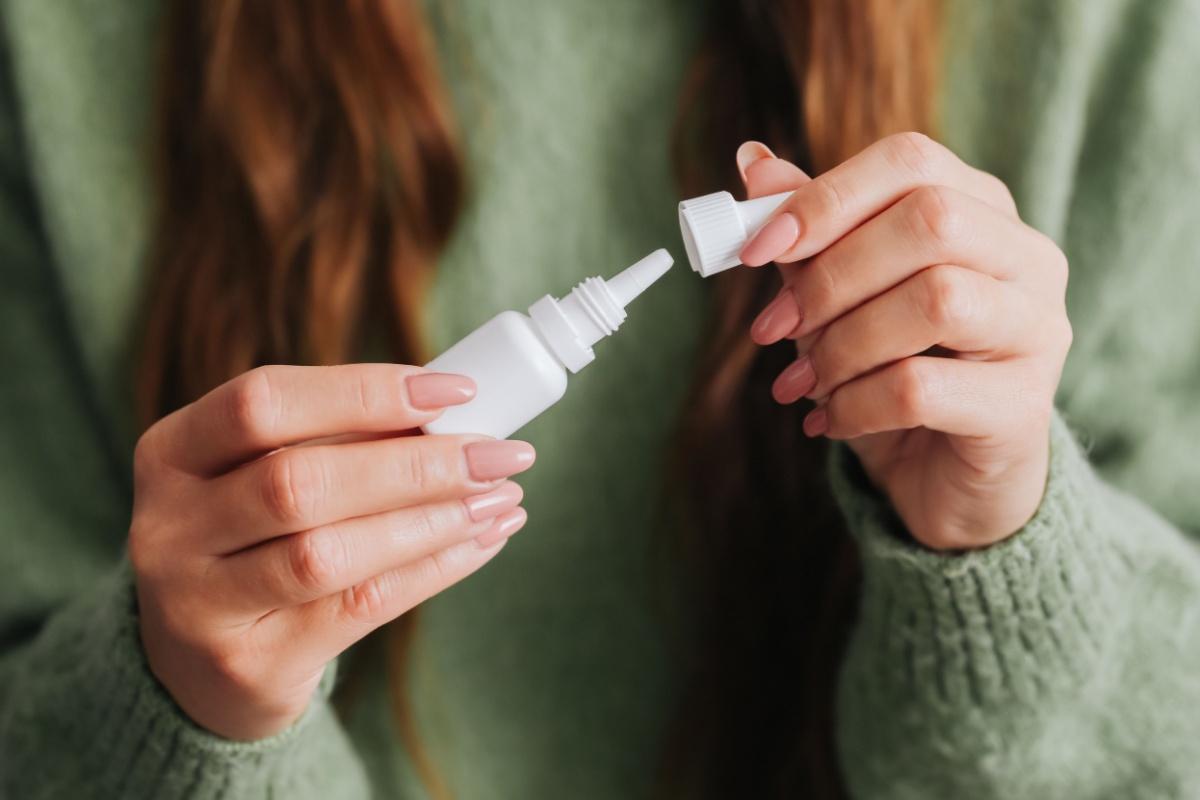
If you find yourself reaching for drops every hour, PF options are the gold standard.
- Best for: People with sensitive eyes, moderate-to-severe dry eye, or those who use drops more than 4 times daily.
- Contact lens friendly: These are much gentler on lenses and won’t exacerbate underlying dry eye disease.
- The advantage: Provides a “clean” hydration hit without the risk of chemical buildup on the eye.
Gels and Ointments
Think of these as heavy-duty hydration. Because they have a much thicker consistency, they stay on the surface of the eye significantly longer than standard liquid drops.
- Best for: Overnight relief and preventing that “sandpaper” feeling when you first wake up.
- The trade-off: The thick formula can blur your vision for several minutes.
- Usage tip: Apply a small ribbon to the lower eyelid right before lights out to keep your eyes coated and comfortable until morning.
What Eye Doctors Often Recommend
An experienced optometrist can suggest specific options based on your exact symptoms and lifestyle. They perform a comprehensive eye exam to see what your tear film specifically lacks. This personalized approach can save you from buying the wrong products at the store.
Oil-based drops help stop your natural tears from evaporating too quickly in dry air. Water-based drops add needed moisture right when your eyes feel parched. Your eye doctor can guide you toward the exact formula you need.
Other Dry Eye Management Options
Simple Daily Habits
Small changes at home can make a big difference for your overall comfort. A humidifier adds moisture to the air in your bedroom or living room. Applying a warm compress to your closed eyelids can also melt away blockages and soothe your eyes.
You can also take frequent breaks from screen time to rest your eyes. Simply looking away from your computer every 20 minutes helps you blink more naturally. You should also consider wearing wrap-around sunglasses to protect your eyes from harsh wind outdoors.
In Office Care
Your eye doctor can check your tear glands to see exactly what is going wrong. We use specific tools to look at the tiny oil glands lining your eyelids. This detailed look helps us build a clear plan for your eye comfort.
Special heat therapies in the clinic help clear blocked oil glands along your eyelids. These soothing treatments melt hardened oils so your tears flow smoothly again. Prescription medicines offer extra help when standard drops don’t provide enough relief.
When to Visit Your Optometrist
Sometimes standard eye drops don’t solve the problem on their own. A professional visit helps you find lasting relief and protects your visual health from complications like a corneal ulcer. Consider scheduling an appointment in a few specific situations:
- If over-the-counter drops fail to bring relief
- When your vision stays blurry for long periods
- When your discomfort disrupts your daily activities
We Can Help
Our team at Valley Eye and Vision Clinic can assess your ocular health to create a personalized plan. We help you explore the right products and therapies for your specific situation. Call our clinic today to set up a visit and get your eyes feeling comfortable again.