

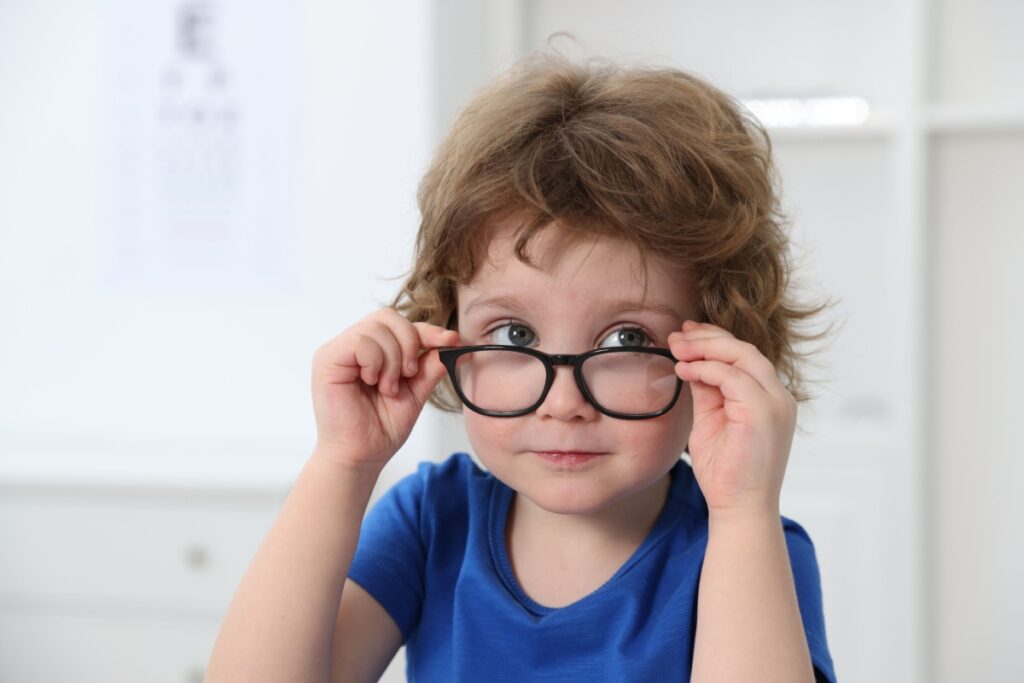
You may notice your child moving closer to the TV or squinting to read a sign across the street. These small moments might make you wonder if their vision is changing. Our team at Valley Eye & Vision Clinic knows that nearsightedness, or myopia, is common in families with school-aged children, and it’s natural to wonder what causes it and what you can do.
Myopia often develops from a combination of genetics and daily visual habits. While you can’t change your genes, understanding how lifestyle plays a part can help you support the eye health of everyone you love.
What Is Nearsightedness?
Myopia is the medical term for nearsightedness. It means you can see objects up close with no problem, but things farther away (like the whiteboard at school or a road sign) appear blurry. This happens when the eye grows a little too long from front to back.
Because of this shape, light focuses in front of the retina (the back of the eye) instead of directly on it. The retina helps send visual signals to your brain, so when the focus point is off, your distance vision becomes fuzzy. An eye doctor can identify this during a children’s eye exam.
The Main Causes of Myopia
Myopia is rarely caused by a single factor. Instead, it’s usually a mix of things that are unique to you and your child.
Your Family’s Eye History
Your family tree has a lot to say about your eyes. If 1 or both parents are nearsighted, their children have a greater chance of developing it, too. Genetics can influence the way your eyes grow and change over time, especially during childhood and the teenage years.
Daily Habits and Screen Time
Your lifestyle also plays a role. Spending long hours on activities that require close-up focus, such as reading or using digital screens, has been associated with myopia development and digital eye strain.
Encouraging your child to take regular breaks from screens or books can make a difference. You can try a simple 20-20-20 rule: Every 20 minutes, look at something 20 feet away for 20 seconds. This gives their eyes a chance to relax.
More time spent playing outside in natural light has also been shown to support healthy eye development and reduce the risk of myopia developing during childhood.
Myopia Management for Your Family
You might wonder if you can reverse nearsightedness. While reversing myopia isn’t currently possible, your optometrist can recommend ways to help slow its progression, particularly in children. The goal of myopia management is to help keep your child’s prescription from getting higher and higher each year.
Contact Lenses and Atropine Drops
Your optometrist may discuss a few different approaches with you, depending on your child’s needs. Specialty multifocal contact lenses, worn during the day, can help correct blurry vision while also managing how the eye focuses light, slowing its growth. Another option is low-dose atropine eye drops, which are used once daily and have been shown to slow myopia progression in many children.
Myopia Glasses and Stellest Lenses
Glasses for myopia can do more than just correct blurry vision. Today, specific types of lenses are designed to help slow the progression of nearsightedness in children. These glasses look and feel like regular ones but have built-in special technology.
Stellest lenses by Essilor are a great example of this. These lenses have 2 key parts. One zone corrects your child’s blurry distance vision so they can see clearly. The other zone sends signals to the eye that may help slow down eye growth, which is the cause of advancing myopia.
Signs of Myopia in Children
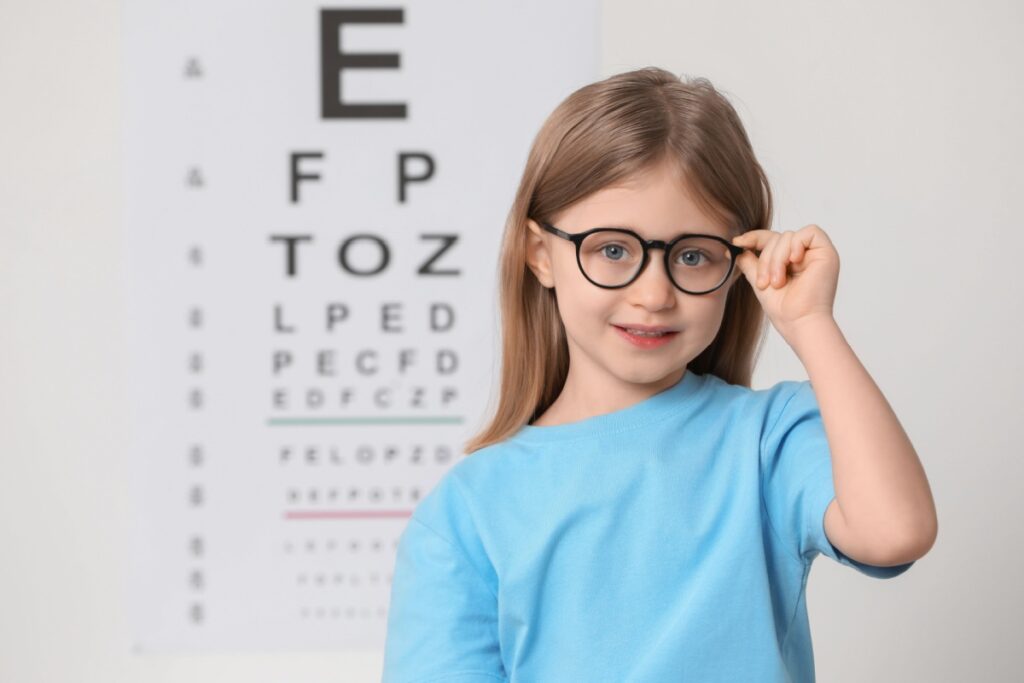
Myopia often begins in childhood and can progress through the teen years, so regular eye exams can help monitor your child’s vision. Between visits to the optometrist, you can look for common signs of nearsightedness at home or school. You know your child better than anyone, so pay attention if they often:
- Squint to see the TV or the front of the classroom
- Hold books or tablets very close to their face
- Complain of headaches or tired eyes
Don’t Wait for Their Vision to Get Worse
If you notice any of these signs, it may be a good time for an eye health check-up. Our team at Valley Eye & Vision Clinic is here to answer your questions and help you find a treatment that works for your family’s lifestyle. Schedule an appointment to discuss your child’s vision needs.