

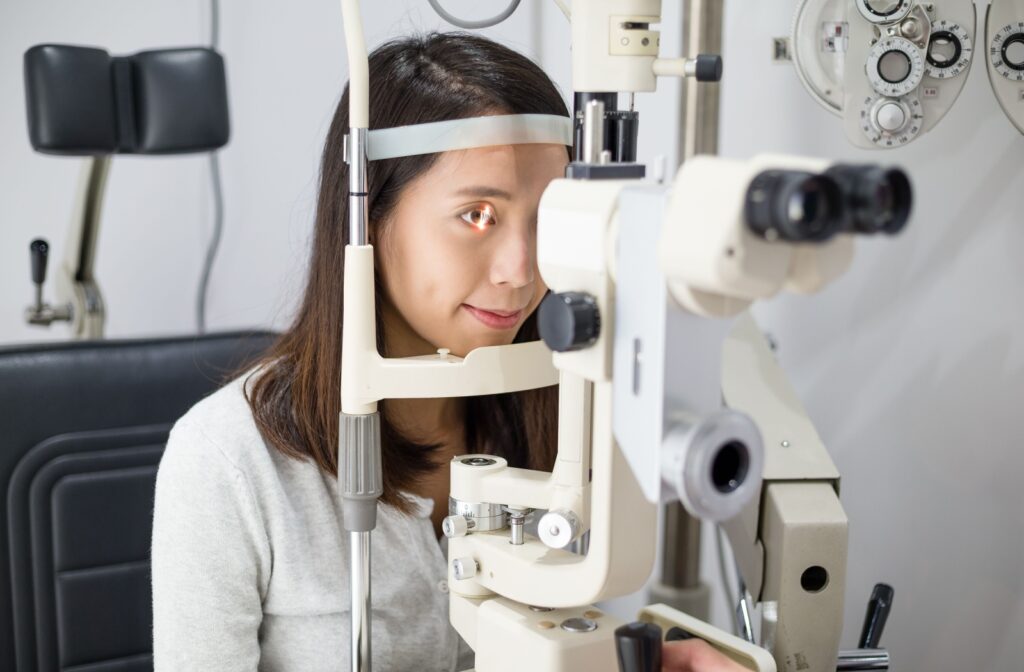
The team at Valley Eye & Vision Clinic knows that keeping your family’s eyes healthy is a big part of their overall wellness. You might wonder if eye exams are only necessary when someone needs new glasses, but they are much more than that. Comprehensive eye exams are a key part of routine health care, just like a check-up with your family doctor.
The appropriate schedule for an eye exam varies with age and depends on your health and any risks you may have. A good rule of thumb is that kids and older adults need more frequent exams, while healthy adults with no vision problems can go a bit longer between visits.
Your Family’s Health & Regular Eye Exams
A complete eye exam with an optometrist looks at more than just how clearly you see. It provides a detailed view of your eye health, which can be a window into your overall health, as eye exams can detect other conditions. These checks can spot potential issues early, sometimes revealing the first signs of other health concerns.
For children, regular exams help support proper vision development, which is important for success in school, sports, and play. For adults, these visits help track changes in your vision and protect your sight for years to come, so you can keep doing the things you love.
Eye Exam Schedules by Age
How often you need an eye exam changes throughout your life. Here is a simple guide to help you know when to schedule appointments for yourself and your family.
Babies & Kids
A child’s first eye exam should occur between 6 and 12 months of age to assess developmental milestones. After that, another exam is a great idea between 3 and 5 to catch any vision issues before they start school. Once they are school-aged, an exam every 1 to 2 years is a good rhythm to follow unless an optometrist suggests a different schedule for their pediatric eye care.
Teens & Adults
If you are under 60 and do not have vision problems or risk factors for eye disease, an eye exam every 2 years is usually enough. If you wear glasses or contact lenses, your optometrist may recommend an annual visit to keep your prescription current and assess fit during a contact lens exam.
Adults 60 & Older
After you reach age 60, it’s wise to have your eyes checked every year. The risk of common eye conditions such as cataracts, glaucoma, and macular degeneration increases with age. Annual exams with an optometrist help detect these conditions early, enabling more effective eye disease management.
Signs It’s Time for an Eye Exam
Sometimes, your eyes let you know it’s time for a visit before your next scheduled appointment. You don’t have to wait if you or a family member experiences any of these changes:
- Sudden blurry or distorted vision
- Frequent headaches, especially after reading or spending time on digital screens
- Trouble with glare or driving at night
- Tired, aching, or strained eyes
- Seeing new floaters or flashes of light
If you experience a sudden change in vision, pain, or an injury, you may need emergency eye care.
What to Expect at Your Eye Exam
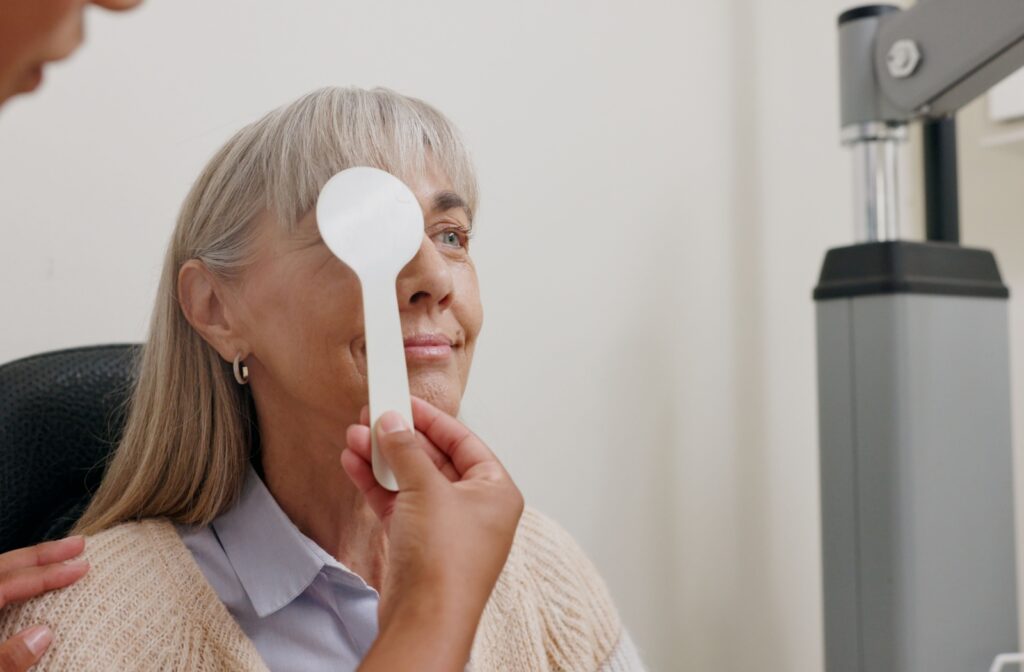
A routine eye exam is straightforward and comfortable. The optometrist will chat with you about your health history and any concerns you have about your vision. The exam itself involves a few different parts—like reading an eye chart to check your vision sharpness and looking at your eyes with special instruments to check their health.
The doctor also checks for signs of common eye conditions. This might include a dilated eye exam to get a clear view of the back of your eye. It is a great time to ask any questions you have about your eyes or your family’s eye health. The team is here to provide clear answers and help you feel at ease.
Your Eyeglass Prescription & Why It Expires
You may have noticed that your eyeglass prescription has an expiration date—usually one to two years. Your vision can change over time, and an old prescription may no longer provide clear vision. A tired, weak prescription can cause headaches and contribute to eye strain.
How We Can Help
An exam ensures your eyes are healthy and your prescription is just right for you today. An up-to-date prescription from your optometrist is needed to confirm that your current frames and lenses are a good match for your eyes. Regular eye exams are a simple step to protect your family’s vision and health. If it’s time to schedule an appointment for you or a loved one, the team at Valley Eye & Vision Clinic is ready to help. Call today to book your visit.